In this article, we’ll break down the reasons behind leash pulling, talk about breed-specific traits that may be contributing to the issue, and give you practical tips to fix the behavior—no more being dragged down the street by your dog.
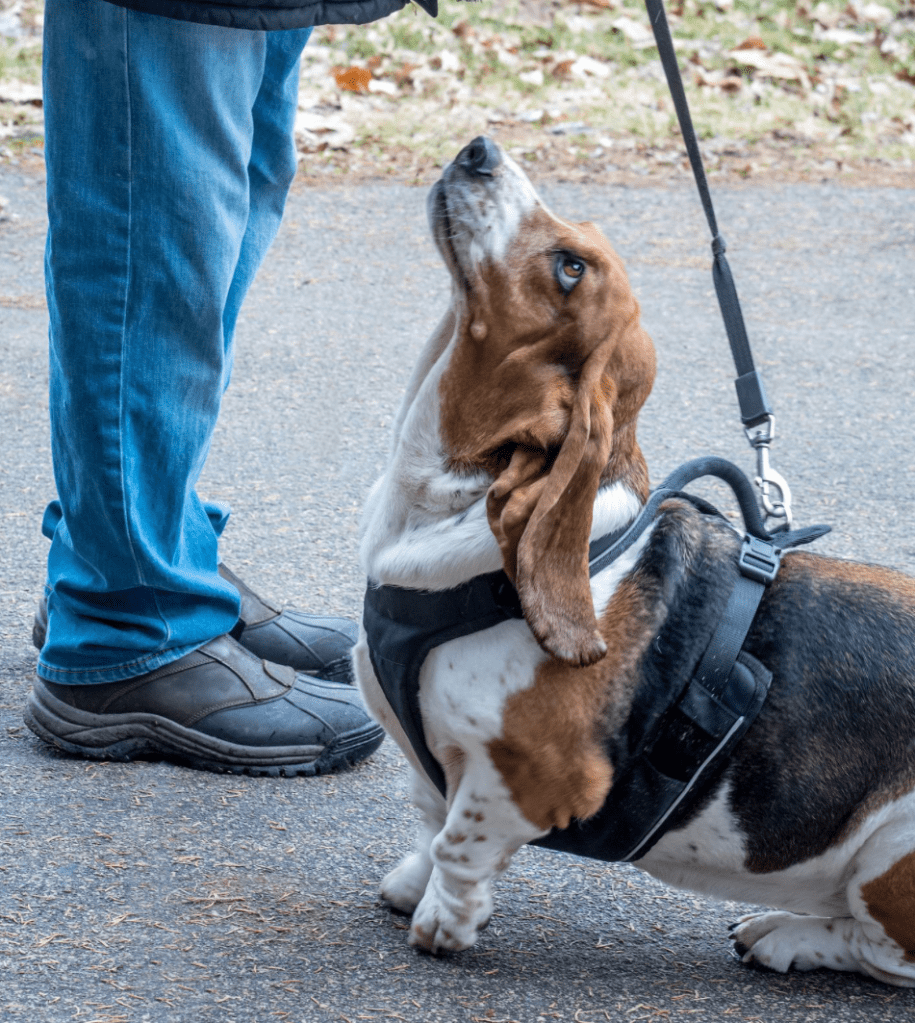
Understanding the Root Causes of Leash Pulling
1. Unused Energy
Let’s face it: we all know that one dog who has energy for days. For many dogs, leash pulling is simply a sign that they need more exercise. Dogs are active creatures, and just a short walk around the block isn’t enough to burn off that pent-up energy. If your dog is pulling, they may be telling you they need more mental and physical stimulation. So before you write it off as bad behavior, check if your dog is getting the level of exercise they need.
2. Instincts and Drives
Different breeds have different instincts, and they can be a major factor in why some dogs pull on the leash. For example, breeds with a high prey drive (like Springer Spaniels) are naturally inclined to move quickly and explore. This can mean your dog is more focused on following scents or chasing potential prey rather than walking calmly beside you. It’s important to recognize that leash pulling can often be linked to instincts, not just lack of training.
3. Lack of Proper Training or Socialization
If you haven’t spent much time training your dog to walk on a leash, or if they haven’t been properly socialized to different environments, pulling can become the default behavior. Dogs will often pull when they’re unsure of what to do or where to go—this could be their way of leading the charge because they don’t know how to behave any other way. That’s where training comes in.
The Role of Breed-Specific Traits in Leash Pulling
1. Herding Breeds (Like Border Collies or Australian Shepherds)
Herding breeds are bred to control movement—usually in the form of herding livestock. So when they’re walking on a leash, they often view it as their job to lead the way. They may pull because they’re instinctively trying to “move things along.” Herding breeds, like Australian Shepherds, often need more than a walk to burn off their energy. Structured exercise like agility or obedience training can help.
2. Scent Hounds (Like Springer Spaniels and Bloodhounds)
Scent hounds have a nose for adventure—and they want to follow it. Springer Spaniels, for example, have an innate drive to sniff and track, so they’ll pull ahead as they chase after new scents. This drive is often too strong for the average walk to satisfy. They need activities that allow them to use their noses in a productive way, like scent work or tracking exercises.
3. Terriers
Terriers are independent and energetic, often pulling on the leash in an effort to explore their surroundings. These dogs are known for being feisty and quick to act. While they may not have the same type of prey drive as Springer, they do have a lot of pent-up energy. Keeping them busy with stimulating tasks, like digging or fetch, can help curb their need to pull.
The Walk Is for the Dog
While leash manners are important for safety and convenience, it’s also essential to remember that walks are just as much for your dog as they are for you. A dog’s walk isn’t just an opportunity to get from point A to point B—it’s a chance to explore, burn off energy, and experience the world around them. Leash pulling can often be a sign that your dog needs more freedom to satisfy their natural instincts.
Allowing your dog time off-leash, when safe and possible, can provide them with mental and physical stimulation that a simple walk on a leash just can’t. Whether it’s running through an open field, sniffing to their heart’s content, or simply exploring new environments, these kinds of big adventures are key to your dog’s overall well-being. It’s about striking a balance between structure and freedom—both are vital for a happy, healthy dog.
And let’s be real: while perfectly timed prance-focused heels may look great on social media, that’s not always what a real walk looks like. Those flawless videos are often just a few seconds captured at a certain moment, and expecting your dog to act like they’re in a Schutzhund trial every time you go on a walk is unrealistic. Be patient with your dog’s progress and remember that walks are about the experience, not perfection.
Why Proper Exercise is Key
It’s easy to assume that just walking your dog every day will keep them calm, but for many breeds, that’s simply not enough. Dogs need both mental and physical exercise to stay balanced and content. When your dog is pulling on the leash, it could be their way of telling you that they need a more fulfilling outlet for their energy.
Mental Stimulation: Dogs like Springer Spaniels thrive when they’re given tasks that engage their brains, not just their bodies. Nose work, puzzle toys, or training sessions can give them something to focus on beyond just the walk.
Physical Exercise: Many high-energy dogs need activities like fetch, swimming, or running to burn off excess energy before they can settle down on a leash. If you’re walking a dog with a lot of energy, try taking them for a longer hike or giving them some playtime in the yard before you hit the sidewalk.
Breed-Specific Exercise: It’s also important to cater the exercise to the breed. For example, Springer Spaniels, being natural hunters, do well with activities like tracking or scent work. Herding breeds benefit from agility courses or obedience training. When you cater the activity to your dog’s natural instincts, you’ll help them feel more satisfied—and less likely to pull.
Training Solutions for Leash Pulling
1. Use the Right Equipment
The right gear can make a significant difference when it comes to leash pulling. While a front-clip harness or head halter can be helpful in redirecting your dog’s attention, they’re not always necessary. Some dogs respond better to a simple leash or a training collar, depending on their size and temperament. The key is to find something that allows you to maintain control without causing discomfort or restricting their movement. Focus on what works best for your dog’s personality and your walking style.
2. Loose Leash Walking
Training your dog to walk on a loose leash is one of the most effective ways to curb pulling. Start by keeping the leash loose during walks, and reward your dog with treats or praise when they stay beside you. If they pull, stop walking immediately, and only continue once they relax and the leash is slack. It can take some time and patience, but consistency is key.
3. Obedience Training
Teaching your dog commands like “heel” or “stay” will not only help with leash pulling but also improve your dog’s overall behavior. Start in a distraction-free environment, and once your dog gets the hang of it, practice in different settings with increasing distractions. Rewards are your best friend—use high-value treats and praise when they get it right.
4. Redirect Their Attention
If your dog starts pulling because something caught their attention (a squirrel, another dog, etc.), use a toy, treat, or verbal cue to redirect their focus back to you. Reward them when they refocus and stop pulling. This helps create a positive association with walking calmly beside you instead of pulling ahead.
Leash pulling isn’t just a bad habit—it’s often a natural instinct or a sign of unmet needs in your dog’s life. By understanding your dog’s breed traits, making sure they’re getting the right kind of exercise, and providing proper training, you can help them become the perfect walking companion.
So don’t worry, with some patience and consistency, you’ll be able to enjoy peaceful walks without being dragged all over the place. And remember, it’s not just about getting the walk done—it’s about giving your dog the outlets they need to be their best self. Keep working at it, and you’ll get there!
Ready to stop the leash pulling for good? Try some of the tips mentioned here, and let me know how it goes in the comments! If you found this article helpful, be sure to sign up for my newsletter for more training tips, breed insights, and dog care advice!
 The Grit and Feather Journal
Leave a comment